Decanter Centrifuge for Sludge Dewatering: Tech Breakdown and Real-World Perks
How It Works – The Basics
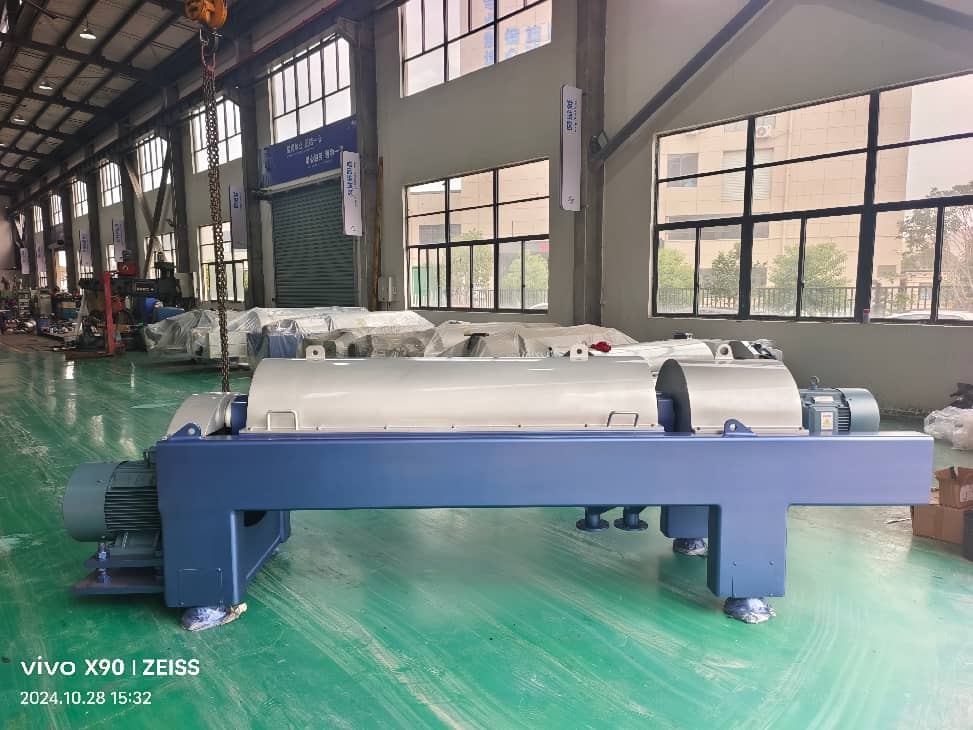
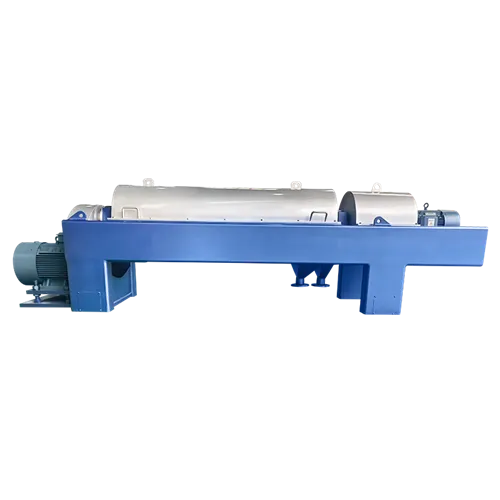
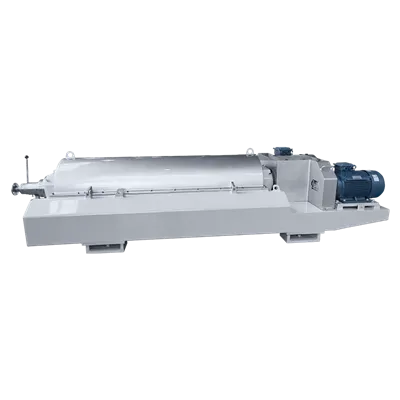
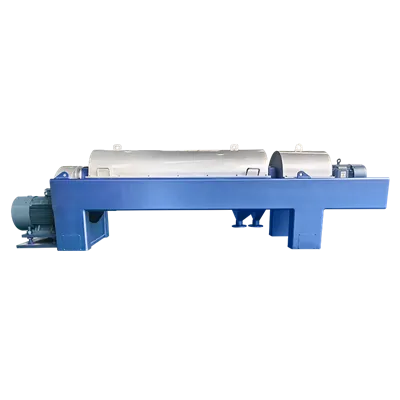
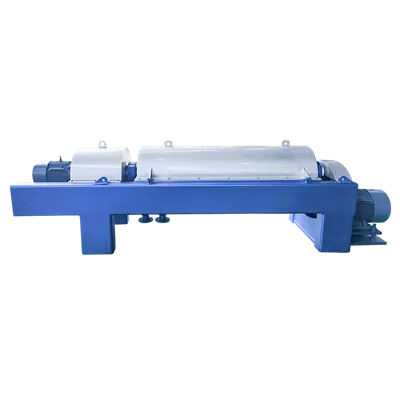
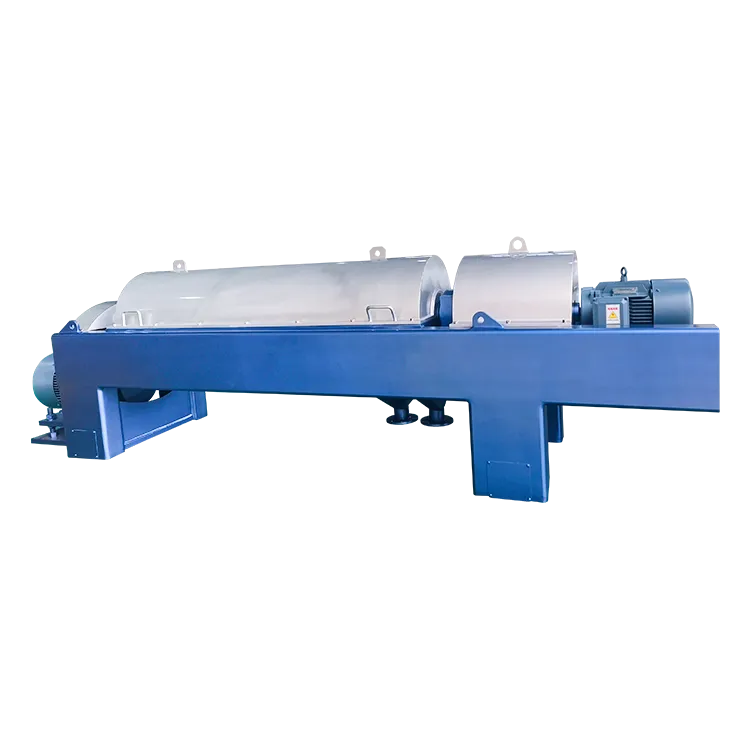
A decanter centrifuge for sludge dewatering isn't as complicated as it sounds. It uses good old centrifugal force to separate solids from liquids. The main players inside are the rotating bowl (or drum), a screw conveyor (the scroll), a differential gearbox, and the drive system.
Here's what happens: sludge gets pumped in through a center tube, then spun up fast – typically between 1,500 and 4,000 rpm. That creates a pretty intense force (anywhere from 3,000 to 5,000 G). Because solids are denser than water, they get flung against the bowl wall and form a cake. The clearer liquid (the centrate) flows out through overflow ports at the other end. Meanwhile, the scroll spins at a slightly different speed – usually a difference of 0.5 to 30 rpm – and keeps pushing that solid cake towards the cone-shaped discharge ports. So you get continuous separation and dewatering in one smooth motion.
Key Features and What You Can Tweak
Adjustable G‑force
You're not stuck with one setting. With a VFD (variable frequency drive), you can dial the bowl speed up or down depending on the sludge – whether it's from a municipal plant, a chemical factory, a textile mill, or a paper mill. Different sludge, different spin.
Precise differential speed control
Using a planetary gear or hydraulic differential, you can fine‑tune the speed difference between the bowl and the scroll. That changes how long the solids hang around inside – so you can balance between how dry the cake gets and how fast you process the stuff.
Smart feeding and chemical dosing
Many machines come with inline dilution and flocculant dosing systems, plus a static mixer to get the sludge and polymer thoroughly blended. That means better floc formation and separation. Some models even have feed flow feedback control to avoid upsetting the process when the sludge load suddenly changes.
Design tweaks that matter
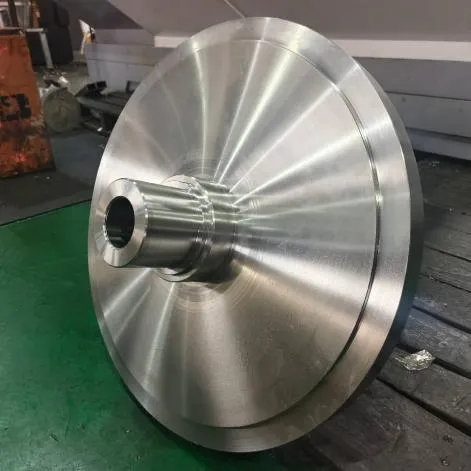
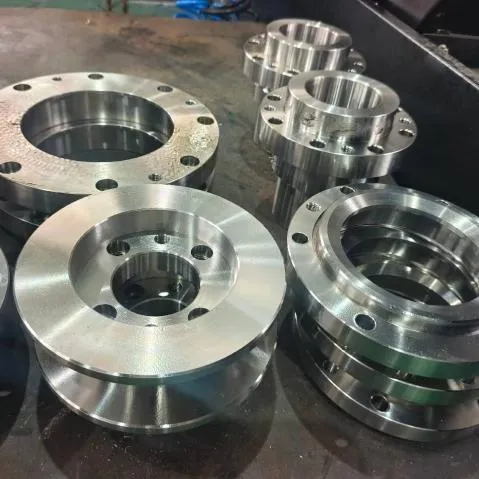
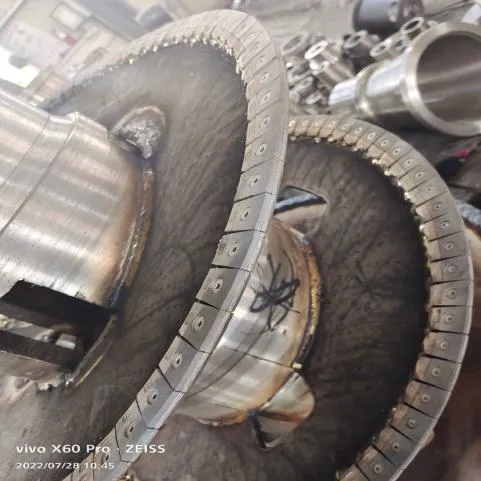
The bowl interior often gets a wear‑resistant coating – tungsten carbide or ceramic, for example – or replaceable liner plates. That really extends the life of the machine. The scroll blades might have variable pitch or cone angle, which improves solids transport and cuts down on clogging and power use.
Where You Actually See These Things at Work
Municipal wastewater treatment
Pretty much standard equipment here. Whether it's primary sludge, waste activated sludge, or a mix, these centrifuges can bring the water content down from 98‑99% to around 75‑85%. That's ready for landfill, incineration, or reclamation.
Industrial wastewater
Think high‑strength organic sludge from food processing or breweries, sticky inorganic sludge from electroplating or steel mills, or oily sludge from refineries. You just tweak the speed, differential, and polymer type – and you can cut disposal costs dramatically.
Emergency and mobile use
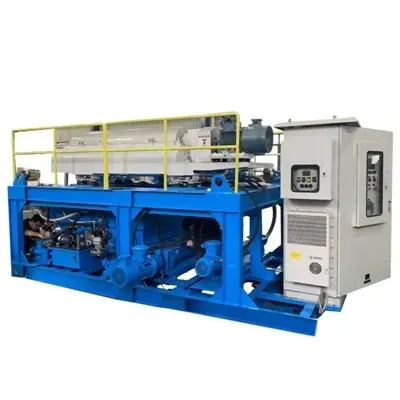
You can mount one of these on a truck for rapid response – like a spill cleanup or a temporary treatment site. Small footprint, quick setup, no fuss.
Why Go With a Decanter? (Compare plate and frame or belt filter presses)
Non‑stop operation
It's fully automated – no stopping to dump the cake. You can get throughput from 1 to over 100 cubic meters per hour (sludge volume). Great for big jobs.
01
Better dewatering results
If you tune it right, you'll get a cake with 25‑35% solids (depends on the sludge), and the centrate can have less than 100 mg/L of suspended solids. That's way cleaner than most traditional kit.
02
Small footprint
Everything's packed into one unit. You don't need a separate sludge thickening tank. For the same capacity, a decanter takes up about one‑third to half the space of a belt press – a lifesaver when floor space is tight.
03
Easier maintenance
Fully enclosed design means no nasty smells or dust escaping. The critical wear parts – bearings, seals – typically last 8,000 to 12,000 hours. So you're not tearing it apart every month. Overall operating costs stay low.
04
Handles ups and downs
Feed sludge consistency can vary from 1% to 6% solids, and the decanter just rolls with it. It automatically adjusts the differential speed and bowl speed to keep the output stable. Pretty forgiving.
05
Bottom Line
Decanter centrifuges have become the workhorse for modern sludge dewatering – especially where you need high volume, consistent results, and automation. They really shine in municipal and tough industrial applications. And as we keep improving process controls and machine design, they'll only get better at turning sludge into something manageable – whether that's reducing volume, making it safe, or recovering resources from it.
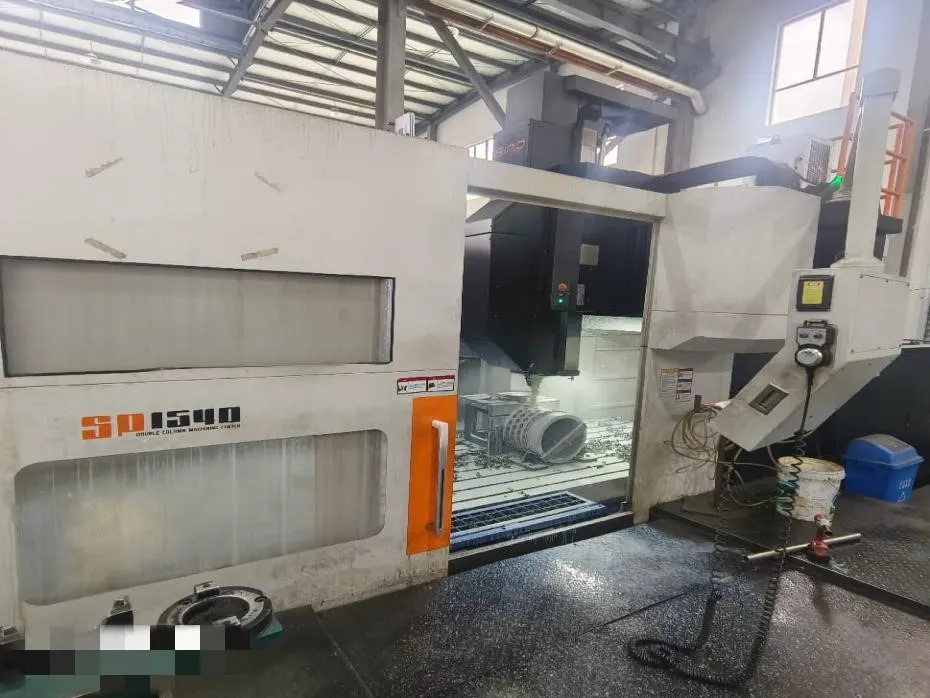
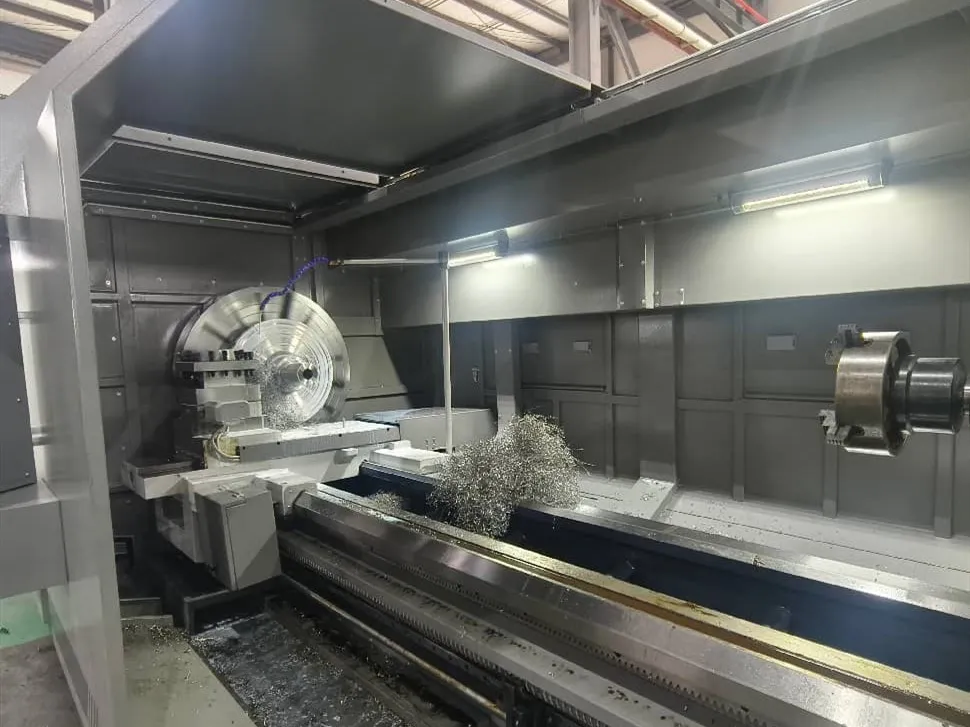
Equipment Manufacturing Scenarios
Hot Tags: decanter for sludge dewatering, China decanter for sludge dewatering manufacturers, suppliers, factory