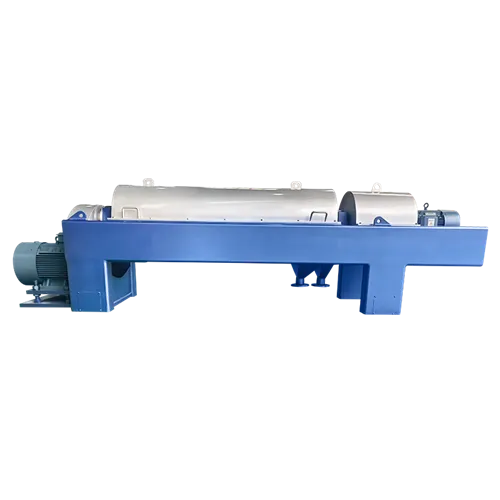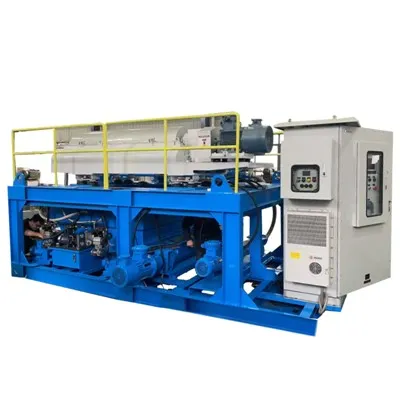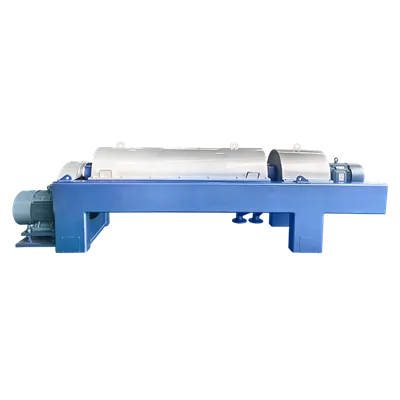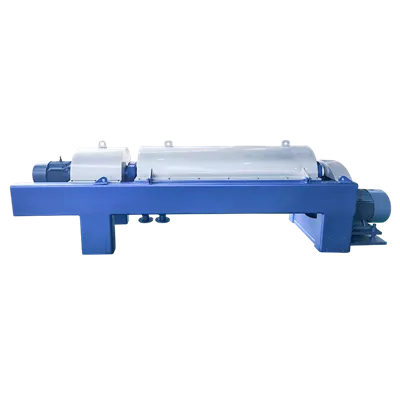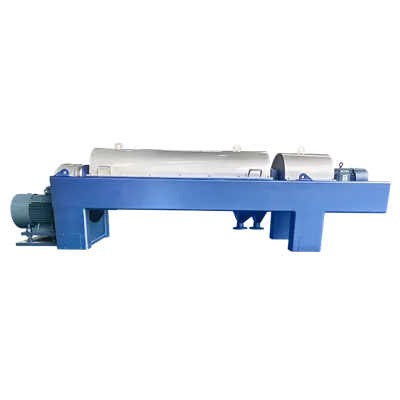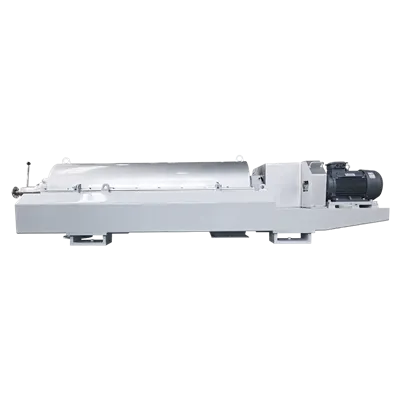
Common drum models range in diameter from 300 to 1200 mm, with processing capacities ranging from a few cubic meters per hour to hundreds of cubic meters per hour. Selection requires comprehensive consideration of material properties (such as solid density and particle size distribution), processing capacity requirements, and available space.
For treating high-concentration sludge, larger diameter drum models can be selected to increase the single-batch processing capacity. When treating easily oxidizable materials, attention should be paid to the equipment's sealing performance and nitrogen protection function. Some equipment supports customized designs, such as adjusting the length-to-diameter ratio (the ratio of drum length to diameter) to optimize separation accuracy.